


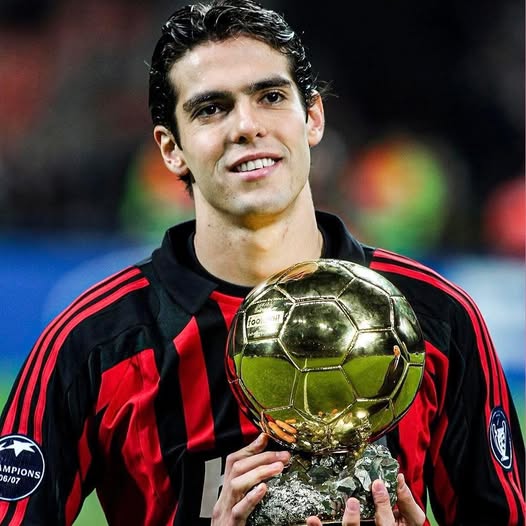
Few players in modern football combined grace, intelligence, and efficiency quite like Ricardo Kaká. Known for his effortless style and devastating runs through midfield, Kaká remains one of the most admired footballers of the 21st century.
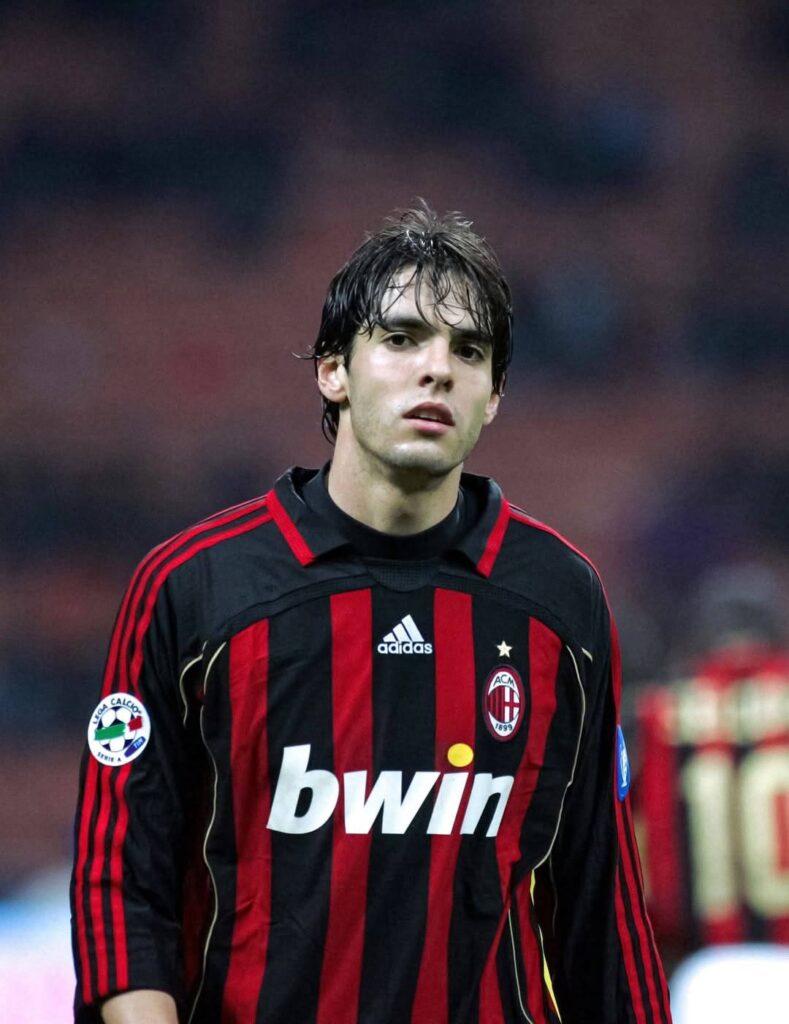
Born in Brasília, Brazil, in 1982, Kaká rose to prominence with São Paulo FC, where his technical ability and vision quickly set him apart. His performances earned him a move to Europe, where he would reach the peak of his career.
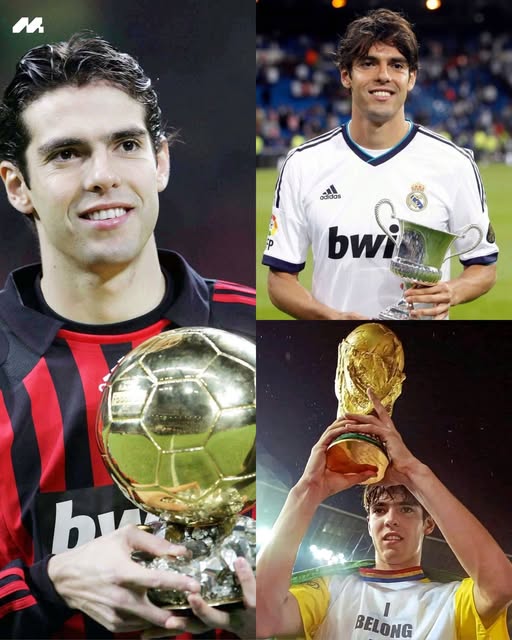
Kaká’s defining years came at AC Milan. Joining the Italian giants in 2003, he became the creative heart of the team, leading them to numerous successes. His most iconic moment came during the 2006–07 season, when he guided Milan to victory in the UEFA Champions League Final 2007, finishing as the tournament’s top scorer. That same year, Kaká was awarded the prestigious Ballon d’Or, becoming the last player to win it before the era dominated by Lionel Messi and Cristiano Ronaldo.
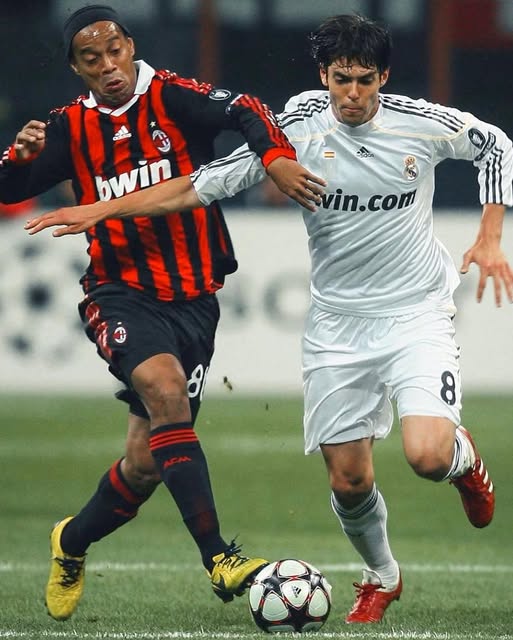
Renowned for his long strides, composure, and ability to glide past defenders, Kaká was a rare attacking midfielder who combined speed with clinical finishing. His humility and professionalism off the pitch made him equally respected among teammates and fans.
After his success in Italy, Kaká made a high-profile move to Real Madrid in 2009. Although injuries limited his impact in Spain, he remained a key figure in world football and later returned to AC Milan before finishing his career in Major League Soccer with Orlando City SC.
On the international stage, Kaká played a crucial role for Brazil national team, winning the FIFA World Cup 2002 as part of a star-studded squad. He earned over 90 caps for his country, contributing with goals, assists, and leadership.
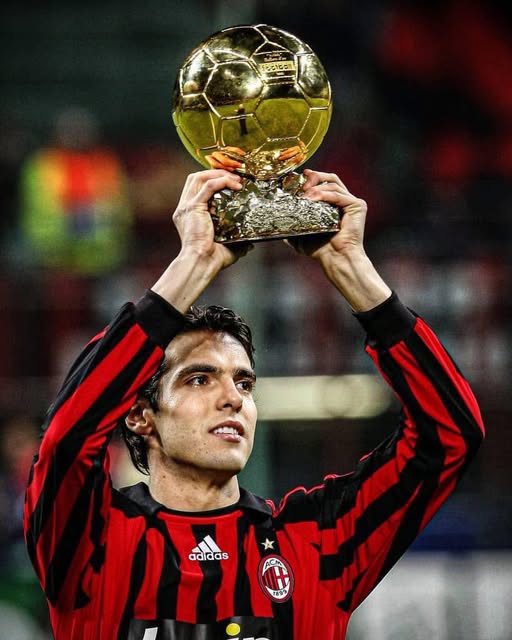
Today, Kaká is remembered not only for his achievements but also for how he played the game—with elegance, intelligence, and respect. In an era filled with power and speed, he stood out for his artistry, leaving behind a legacy that continues to inspire young footballers around the world.

